

For many Nigerians, buying land is more than just an investment; it’s a significant step toward financial security and long-term wealth. Whether you’re planning to build your dream home, start a business, or invest for the future, owning land remains one of the smartest financial decisions you can make.
Yet, for many first-time buyers, the process can seem overwhelming. Concerns about fraudulent agents, forged documents, government-acquired land, and ownership disputes often discourage people from taking the first step.
The good news is that buying land in Nigeria doesn’t have to be risky. With the right knowledge, proper due diligence, and guidance from experienced professionals, you can confidently acquire genuine property and avoid costly mistakes.
In this guide, we’ll walk you through everything you need to know before buying land in Nigeria, from choosing the right location to verifying ownership and completing the legal documentation.
1. Define Your Purpose Before Buying
Before you begin searching for land, ask yourself one important question:
Why am I buying this land?
Your answer will shape almost every decision you make throughout the buying process—from the location you choose to the type of property that best suits your needs. For example:
Residential Development: If you’re planning to build your dream home, prioritize locations with good road networks, reliable electricity, access to schools and healthcare facilities, and a secure environment.
Commercial Development: If you’re buying land for business purposes, focus on areas with high traffic, strong commercial activity, and promising economic growth.
Investment: If your goal is long-term wealth creation, consider locations experiencing rapid development or benefiting from major infrastructure projects, as these areas often have greater potential for property appreciation.
Defining your purpose from the outset will help you make informed decisions, avoid unnecessary expenses, and invest in a property that aligns with your long-term goals.
2. Choose the Right Location
In real estate, location is one of the most important factors influencing a property’s value and future potential. The right location not only increases the likelihood of long-term appreciation but also affects how easy it will be to develop, occupy, or resell the property.
When evaluating a location, consider factors such as:
- Road accessibility
- Security
- Drainage
- Availability of electricity and water
- Proximity to schools, hospitals, and markets
- Existing infrastructure
- Planned government or private development projects
While a cheaper plot in an undeveloped area may seem like a bargain, properties in well-planned or rapidly developing locations often offer stronger long-term value and better returns on investment.
3. Understand the Different Types of Land Titles
One of the biggest mistakes first-time buyers make is purchasing land without understanding its legal status. Before committing to any transaction, it’s important to familiarize yourself with the key land documents used in Nigeria and what they signify.
Some of the most common land documents include:
Certificate of Occupancy (C of O)
A Certificate of Occupancy (C of O) is one of the most widely recognized land title documents in Nigeria. It serves as evidence of a statutory right of occupancy granted by the government and is an important indicator of a property’s legal status. However, like all title documents, it should be independently verified as part of your due diligence.
Deed of Assignment
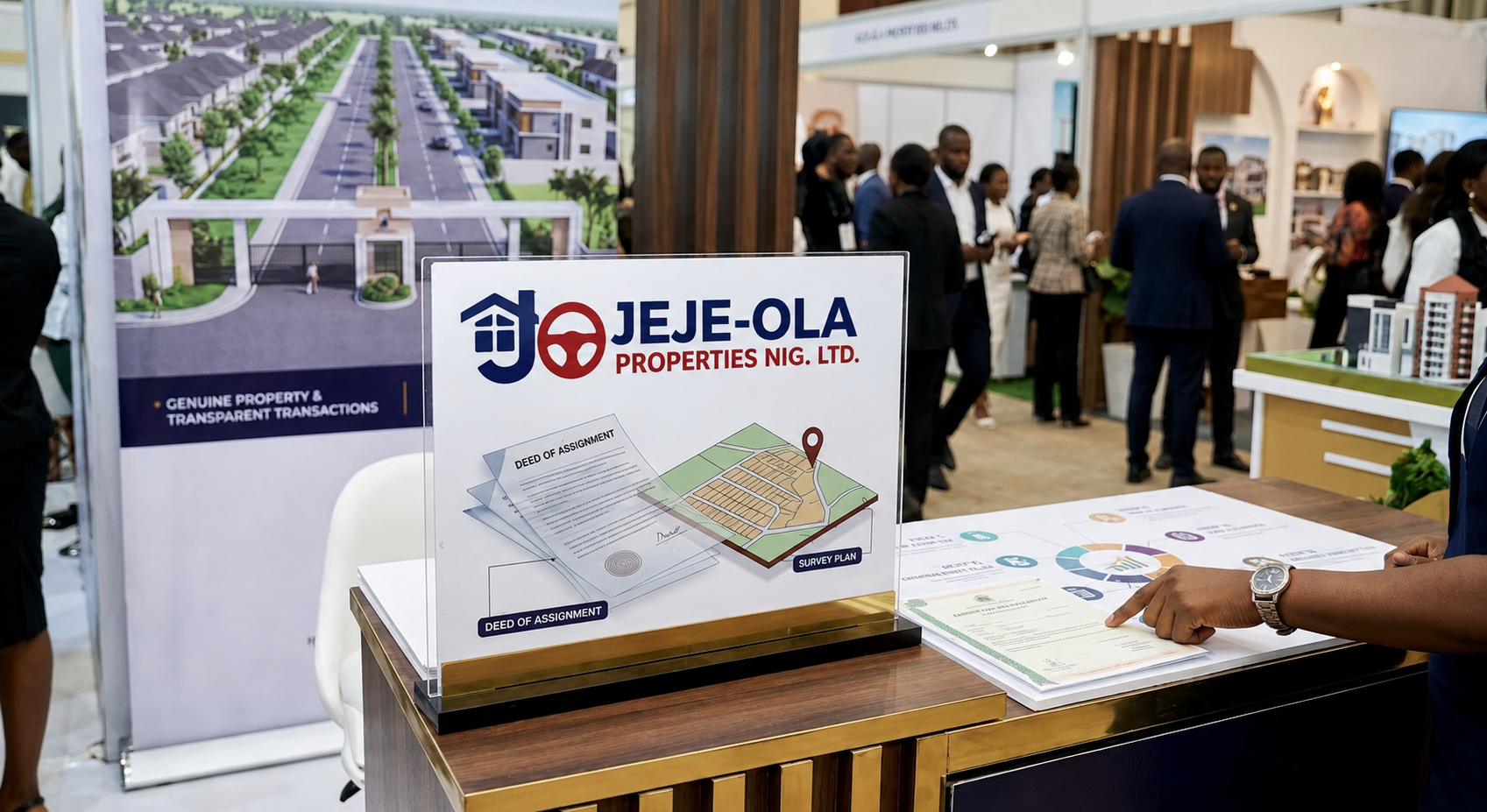
A Deed of Assignment is a legal document that transfers ownership or interest in land from the seller (assignor) to the buyer (assignee). It is a vital document in property transactions and forms part of the buyer’s chain of title.
Survey Plan
A Survey Plan identifies the exact location, size, dimensions, and boundaries of a parcel of land. It also helps determine whether the land falls within an area affected by government acquisition or other restrictions.
Gazette
A Gazette is an official government publication showing that a portion of previously acquired land has been released (excised) back to the indigenous community. Land covered by a valid Gazette is generally considered safer for private ownership, subject to proper verification.
Excision
An Excision is the process through which the government formally releases a portion of acquired land back to its original indigenous owners, making it eligible for private ownership in accordance with applicable laws.
Understanding these documents and processes is an important part of the due diligence process and can help you avoid purchasing land with legal or ownership complications.
4. Verify Ownership and Conduct Due Diligence
Before making any payment, never assume that a seller has the legal right to sell a property simply because they possess documents. Carrying out proper due diligence is one of the most important steps in protecting your investment.
This process involves verifying both the seller’s authority to sell the land and the legal status of the property through the appropriate government authorities.
As part of your due diligence, ensure that you:
- Confirm the identity of the seller and their legal authority to sell the property.
- Verify the authenticity of the title documents.
- Confirm the property’s ownership through the relevant government records.
- Ensure the land is not under government acquisition.
- Check whether the property is subject to litigation, encumbrances, or competing ownership claims.
- Confirm that all relevant approvals and documentation are genuine.
Skipping these checks has cost many unsuspecting buyers millions of naira. Taking the time to conduct proper due diligence can help you avoid fraud, costly disputes, and unnecessary financial loss.
5. Visit the Property and Conduct a Physical Inspection
Never rely solely on photographs or videos when buying land. Before making any payment, visit the property in person to confirm that it matches the information provided by the seller and to assess its suitability for your intended purpose.
During your inspection, pay close attention to:
- Accessibility and road conditions
- Land size and boundaries
- Boundary beacons
- Topography and terrain
- Flood risk and drainage
- Existing developments in the area
- The surrounding neighbourhood and available infrastructure
A physical inspection can reveal issues that may not be apparent in photographs or marketing materials, helping you make a more informed purchasing decision.
6. Work With a Reputable Real Estate Company
Many property scams occur because buyers rely on unverified agents or individuals who falsely claim to represent landowners. Working with a reputable real estate company can significantly reduce these risks and make the buying process smoother and more transparent.
A reputable real estate company can help you:
- Source genuine and verified properties
- Conduct due diligence and document verification
- Navigate legal and regulatory requirements
- Coordinate inspections and negotiations
- Ensure transparent and secure transactions
- Provide professional guidance throughout the purchase process
Choosing the right real estate company gives you greater confidence that your interests are protected from the initial property search through to the successful transfer of ownership.
7. Understand Every Cost Involved
Many buyers focus solely on the purchase price and overlook the additional costs associated with acquiring land. Understanding these expenses in advance will help you budget properly and avoid unexpected financial pressure.
Depending on the transaction, you may be required to pay:
- Survey fees
- Documentation fees
- Legal fees
- Agency fees (where applicable)
- Development levy
- Registration fees
- Stamp duties (where applicable)
- Title perfection costs
Before making any payment, request a detailed breakdown of all applicable fees so you have a clear understanding of the total cost of the transaction.
8. Complete the Legal Documentation
Purchasing land does not end with payment. To protect your ownership rights, ensure that all necessary legal documents are properly prepared, executed, and, where required, registered with the appropriate authorities.
Depending on the nature of the transaction, these documents may include:
- Deed of Assignment
- Contract of Sale
- Receipt of Payment
- Survey Plan
- Allocation Letter (for estate properties)
Keep both physical and digital copies of all documents in a secure location, as they will be important for future transactions, title perfection, and proof of ownership.
Why Professional Guidance Matters
Buying land is a significant financial commitment, and navigating the process without professional guidance can expose you to unnecessary risks. Working with experienced real estate and legal professionals can help you identify potential issues, ensure compliance with applicable laws, and complete your transaction with confidence.
Experienced professionals can assist with:
- Land documentation and title verification
- Due diligence
- Government regulations and compliance
- Property valuation
- Risk assessment
- Transaction management
Final Thoughts
Buying land in Nigeria is one of the smartest investments you can make, but only when you approach the process with the right knowledge and preparation.
By defining your purpose, carrying out proper due diligence, understanding the relevant documentation, and seeking professional guidance, you can significantly reduce the risks associated with land transactions and make informed investment decisions.
Whether you’re purchasing your first plot to build your dream home or investing for future returns, taking the right steps today can protect your investment for years to come.
At JEJE-OLA PROPERTIES NIG. LTD., we are committed to helping individuals, families, and investors acquire genuine properties with confidence. From property sourcing and due diligence to document verification and seamless transactions, our experienced team is here to guide you every step of the way.
Ready to Buy Land with Confidence?
Partner with JEJE-OLA PROPERTIES NIG. LTD. and let us help you make safe, informed, and profitable real estate investments.
📞 For Enquiries and Property Inspection:
JEJE-OLA PROPERTIES NIG. LTD.
📱 +234 806 687 3988
📱 +234 810 180 4745
Your trusted partner in real estate excellence.